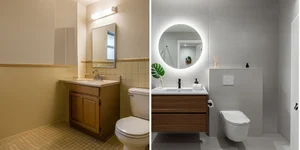
Access your home equity for Act 2 — You've got more options than you think
From Randy Molnar - Founder RightSize Your Life Services

Ready to explore your options in rightsizing your life? Book your RightSize Your Life Consult
The home that once fit perfectly can start to feel heavy: upkeep that never ends and financial stress that keeps building while your equity sits locked in the walls. If you're considering using that equity to create the life you want next, you've got more options than you think. What does the next chapter look like for you?
Practical ways to access equity without adding chaos:
- Sell and RightSize: move to a home that fits today, free up cash, and lower monthly costs.
- Refinance with a HELOC: tap funds as you need them while staying in your home.
- Reverse mortgage/equity release: convert a portion of your equity to cash with no required monthly payments.
- Sell now, rent for a season, buy later: reduce pressure on timing and choose with a clear head.
This decision doesn't mean failure—it means using what you've built to find stability and breathing room. You're not stuck; there are more paths and choices than most people realize.
When Health Changes Everything
The reality is that our bodies change, and sometimes those changes happen faster than we're prepared for. Declining mental or physical health can make in-home care expenses unaffordable, creating a financial strain that forces difficult decisions.
Watch for these key indicators that health concerns are outpacing the home environment:
- Activities of daily living become increasingly difficult: Bathing, getting dressed, and moving around spaces that once felt comfortable now require significant effort or assistance
- Chronic illnesses create mobility limitations: Stairs become insurmountable obstacles, and everyday tasks like getting up from chairs or reaching high shelves become hazardous
- Cognitive changes create safety risks: Forgetting to turn off appliances, neglecting smoke detector maintenance, or becoming confused about medication schedules
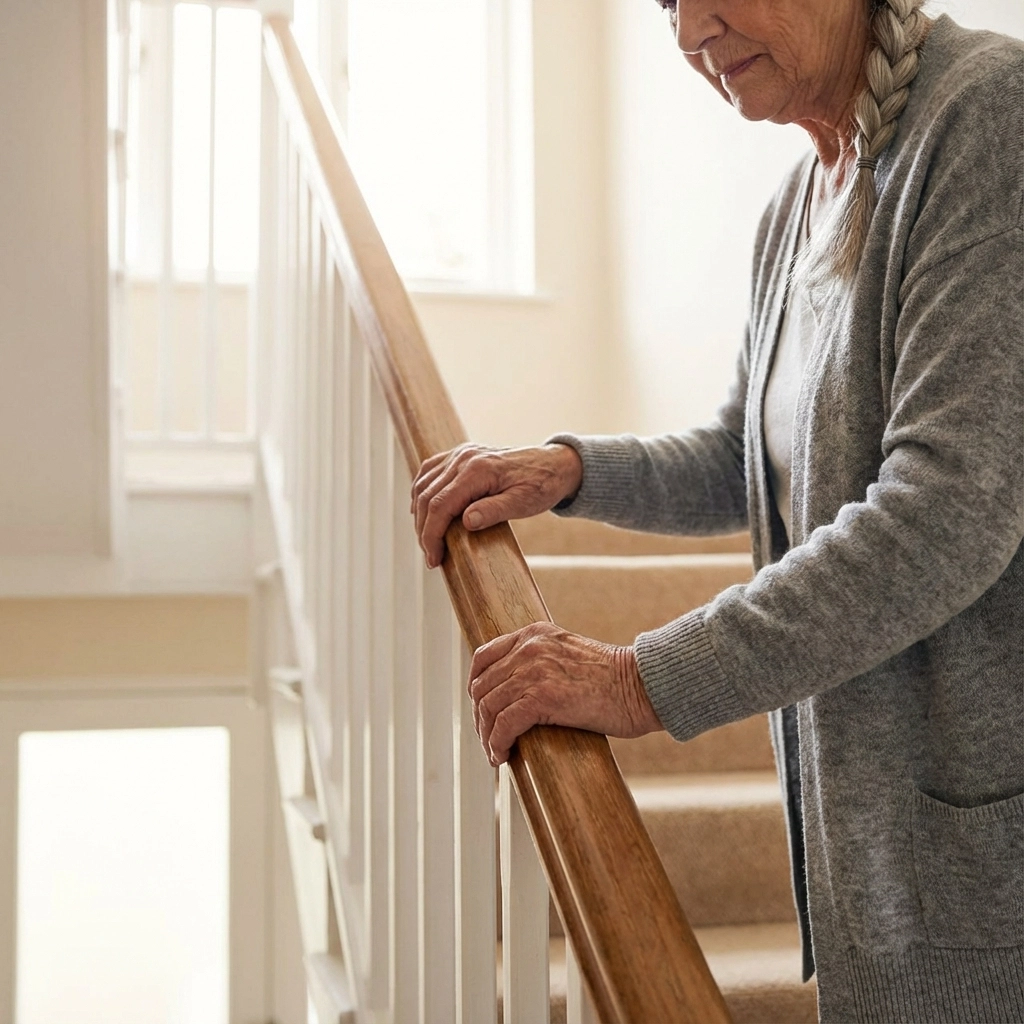
These changes don't happen overnight, but when they do occur, the gap between what the home can provide and what's needed for safe daily living can widen quickly. The challenge isn't just physical: it's about maintaining dignity and independence while acknowledging real limitations.
Safety Concerns That Can't Be Ignored
Here's something most people don't consider: most homes weren't designed with aging needs in mind. The two-story colonial that worked perfectly for a growing family can become a dangerous obstacle course for someone with limited mobility or reduced physical capabilities.
The safety red flags that demand attention include:
• Fall risks throughout the home: Stairs without proper railings, slippery bathroom surfaces, uneven flooring, and poor lighting create daily hazards • Emergency response challenges: Being unable to reach help quickly during a medical emergency, especially in multi-level homes or isolated locations • Loss of driving ability: When medical teams or family members determine that driving is no longer safe, it creates isolation and places enormous pressure on family caregivers
The financial burden of home modifications can be overwhelming. Stair lifts, ramps, grab bars, accessible bathrooms, and other modifications often cost tens of thousands of dollars. For renters, the situation becomes even more complex: while disability modifications are legally permitted, tenants bear the full cost and may be responsible for reversing changes when they move.
The Hidden Crisis: Social Isolation and Mental Health
This might be the most overlooked consequence of aging in place, but it's also one of the most serious. Social isolation and loneliness pose genuine health risks that rival smoking, obesity, and lack of physical activity.
Consider these sobering realities:
- One in four older adults live alone, significantly increasing isolation risks
- Prolonged isolation increases premature death risk by 50% and raises chances of experiencing dementia, stroke, and heart disease
- Limited mobility reduces social interactions, cutting off connections with peers and community activities that maintain mental sharpness
The psychological challenge goes beyond loneliness. There's something called "mentally aging in place": where the comfort of familiar surroundings can actually contribute to mental stagnation. Without regular social engagement, new experiences, and mental stimulation, cognitive decline accelerates.
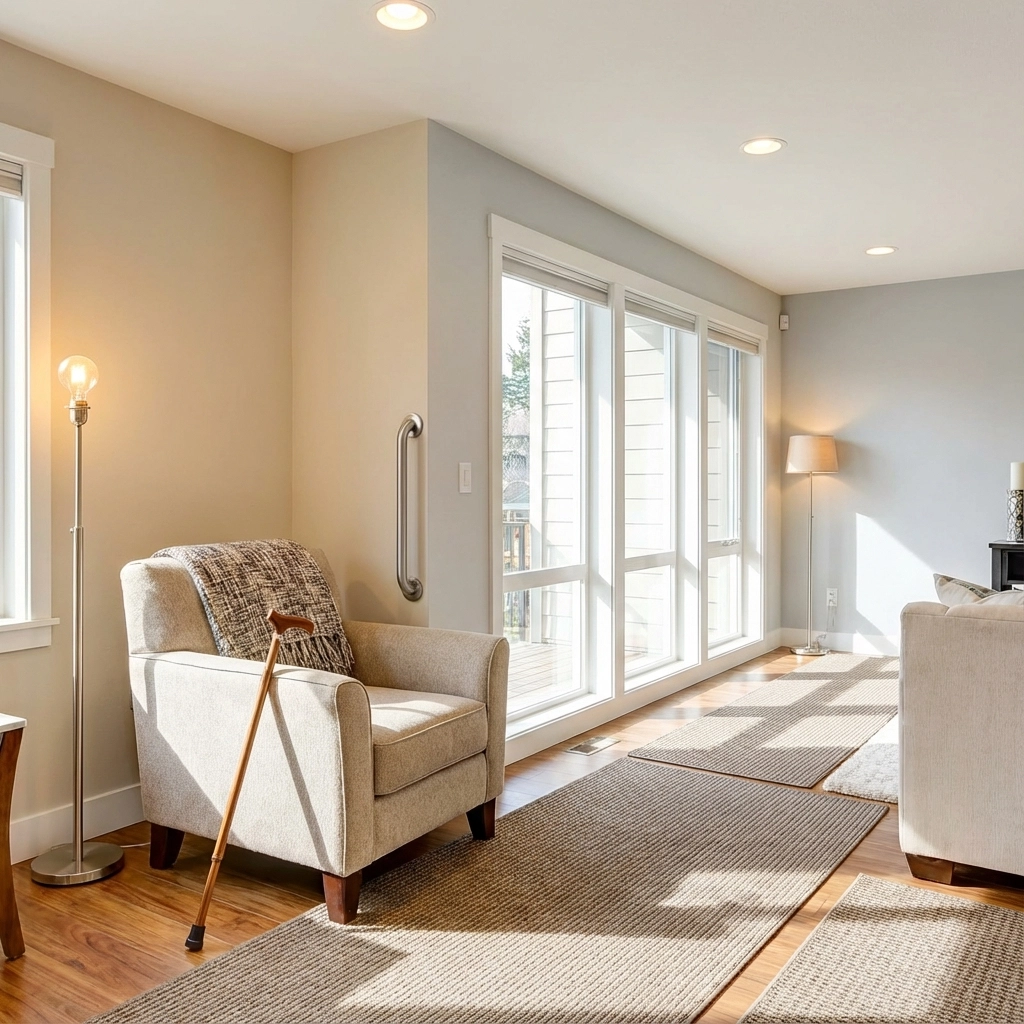
Financial Reality Check: The True Cost of Staying
While aging in place might seem more affordable than assisted living communities, the math often tells a different story. In-home health care services represent substantial ongoing expenses: homemaker services averaged $38,095 annually in 2020, while home health aides cost $42,168 per year. For many seniors with median incomes around $46,360, these costs consume nearly their entire budget.
But care costs are just the beginning. Consider the mounting expenses of:
- Home maintenance: Plumbing, electrical repairs, roof replacement, HVAC maintenance
- Property upkeep: Gardening, snow removal, exterior maintenance
- Accessibility modifications: Bathroom renovations, ramp installations, stair lifts
- Emergency repairs: Unexpected systems failures that can't wait
These cumulative costs often exceed assisted living fees while providing less comprehensive support and social interaction.
The Family Caregiver Burnout Factor
Family caregivers often experience severe burnout when attempting to provide adequate in-home support without proper training, resources, or relief. Adult children find themselves juggling their own careers, families, and homes while trying to manage a parent's increasing care needs.
The signs of caregiver burnout include:
• Physical and emotional exhaustion
• Neglecting their own health and relationships
• Feeling overwhelmed by caregiving responsibilities
• Experiencing guilt, anxiety, or depression
• Struggling to maintain quality care
By 2035, an estimated 27 million seniors will need assistance with daily activities: a number that will strain family caregiving systems beyond their capacity.

Making Peace with Difficult Decisions
Recognizing when aging in place no longer serves someone's best interests isn't about giving up: it's about choosing what's safest, healthiest, and most supportive for this stage of life. The decision should never be made in crisis mode or without careful planning and family discussion.
Key factors to evaluate honestly:
Health and Safety Assessment
- Can daily activities be managed safely and independently?
- Are emergency situations manageable?
- Do cognitive changes create safety risks?
Social and Mental Health Factors
- Is isolation affecting mental health and cognitive function?
- Are there opportunities for meaningful social interaction?
- Does the current environment support mental stimulation and engagement?
Financial Sustainability
- Can necessary care and modifications be afforded long-term?
- Are family caregivers sustainable without compromising their own wellbeing?
- Does the total cost of aging in place exceed alternatives?
Moving Forward with Confidence
These conversations are never easy, but they're essential. Whether you're an adult child concerned about a parent's safety or someone beginning to question your own long-term housing plans, addressing these issues proactively: rather than reactively: leads to better outcomes and more choices.
The costs of retrofitting and maintaining a residence, combined with the possibility of spending final years in isolation, are issues best planned for well in advance. Families benefit enormously from reassessing housing decisions as circumstances change, rather than waiting for a crisis to force hasty transitions.
Remember: choosing to move from the family home doesn't represent failure or defeat. It represents courage, wisdom, and a commitment to prioritizing safety, health, and quality of life over attachment to a physical space. Sometimes the most loving thing we can do: for ourselves or our family members: is to reimagine what "home" means in this next chapter of life.
Ready to explore your housing options and discuss what's right for your family's situation? Contact Randy Molnar MOD Realty to schedule a consultation focused on your specific needs and circumstances.